Quality Grading Drills
Competition-style practice for FFA, 4-H, and collegiate meat judging. Grade real ribeye images against USDA standards.
Meat Judging
Competition-style practice for FFA, 4-H, and collegiate meat judging. Grade real ribeye images against USDA standards.
know your beef
The official USDA marbling photographs, the nine-grade ladder, and how scoring works. Learn the pairings before you drill them.
Every Monday the board wipes clean. One run, one score, all season to prove it.
Grade real carcass images and get instant feedback.
Loading…
One shot per week. Scores post to the public leaderboard.
One subdivision = one-third of a grade. High Choice → Low Prime counts as 1 subdivision off (9 pts).
Add images from your livestockjudging.com subscription or any direct image URL. Right-click an image and choose "Copy image address."
Only used if you enable “Practice with my personal images instead” on the setup screen.
Week of Mar 17 – Mar 23, 2026
| Rank | Grader | Score | % | Date |
|---|
Collegiate Meat Judging
| Rank | School | Rating | Move | Contests |
|---|
Not enough real results yet this season to compare fairly against the ranked board above. Shown here with their actual contest results instead of an estimated rating.
Top three teams per category — boards appear once three contests carry the category.
Each team result earns a rating from its placing, scaled by field size, how recent the contest is, the contest's weight, and the strength of the field (the average rating of the top ten teams there). The solver iterates until field strengths and team ratings agree, then rates each school by the average of its five best results in the selected season, using only that team's own real results this season — no cross-season blending. Teams need enough real contests this season to be numerically ranked; thinner résumés are shown separately with their actual results instead of an estimated rating. Movement compares today's board against the board before the most recent contest; NEW marks a school's first appearance.
The USDA quality-grade ladder, the marbling behind it, and how the drill scores you. All on one card.
Nine callable grades, best to worst. The heavy rules mark family boundaries. One subdivision (High → Average → Low) is one-third of a grade.
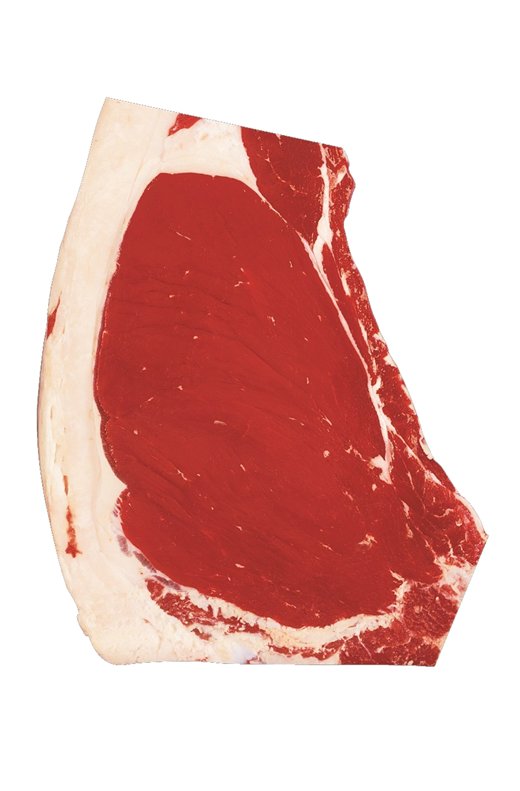
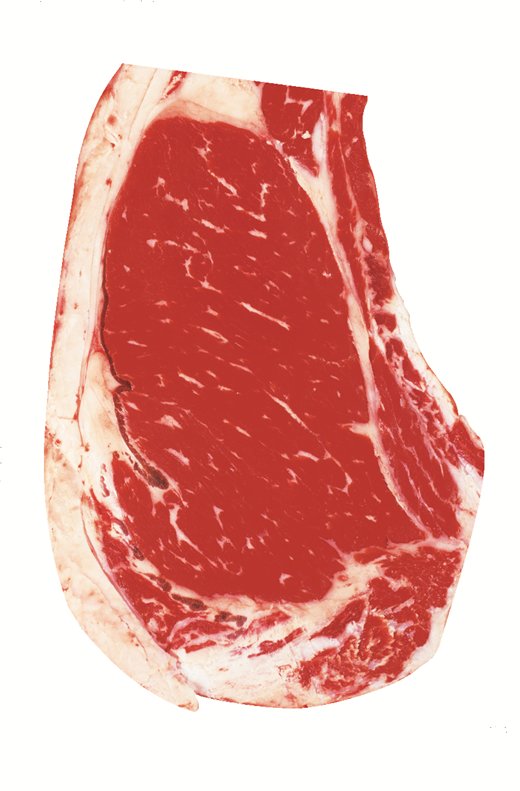
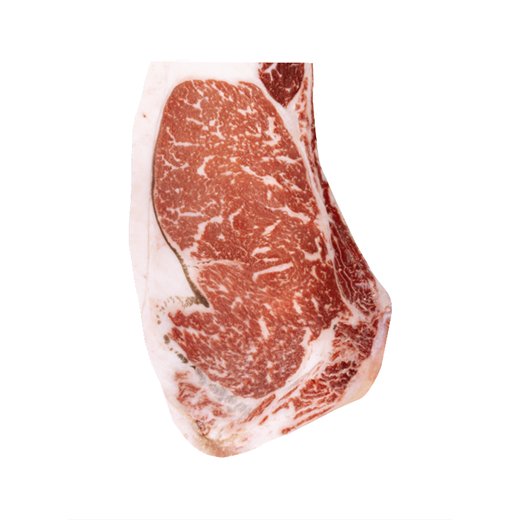
Within A maturity, the marbling score in the ribeye sets the quality grade. Each photo is the official USDA reference for the minimum of its degree. Tap any photo to view it full screen.
¹ Select splits on the upper/lower half of Slight: Slight 50–100 grades High Select, Slight 0–50 grades Low Select.
² USDA publishes no reference photo below Slight; genuinely negligible marbling is rare in fed cattle.
Photographs: official USDA marbling references (public domain).
Quality grade is marbling plus maturity, so this drill assumes every carcass is A maturity (roughly 9–30 months, nearly all fed cattle) and grades it straight off the marbling. In the ring, maturity is read from the actual bones and lean, and building that into this drill isn't realistic with the resources available right now. A maturity study tool may be a future addition.
One subdivision = one-third of a grade. High Choice → Low Prime counts as 1 subdivision off (9 pts).
Your score goes on the leaderboard. Sign in once, drill forever.
No password needed. We only store your display name and score.
Grade ribeye images to improve AI accuracy for beef science education
Sign in to contribute — your grades are credited to your profile
No ungraded images available right now. Check back soon!